Here find scattered writings and collections of the history of forensic anthropology. Traces collected here of the past
- selected case files/stories
- correspondence betwixt the scientists, academics, and public
- achievements, challenges, and controversies
- professionalization work in the 20th Century
- Anatomists, anthropologists, and medical practitioners. applying their knowledge(s) in forensic contexts
- Essays and annotations about History of Forensic Anthropology, Medico-legal Death Investigation, Study and Understanding of Dead Humans
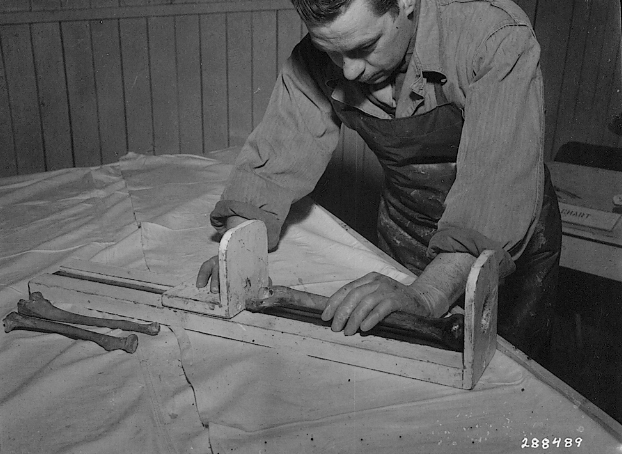
Though still a small-ish profession, forensic anthropology is a major field of study and develops practitioners of professionalized discipline to the medico-legal and humanitarian worlds of events and applied science.
-
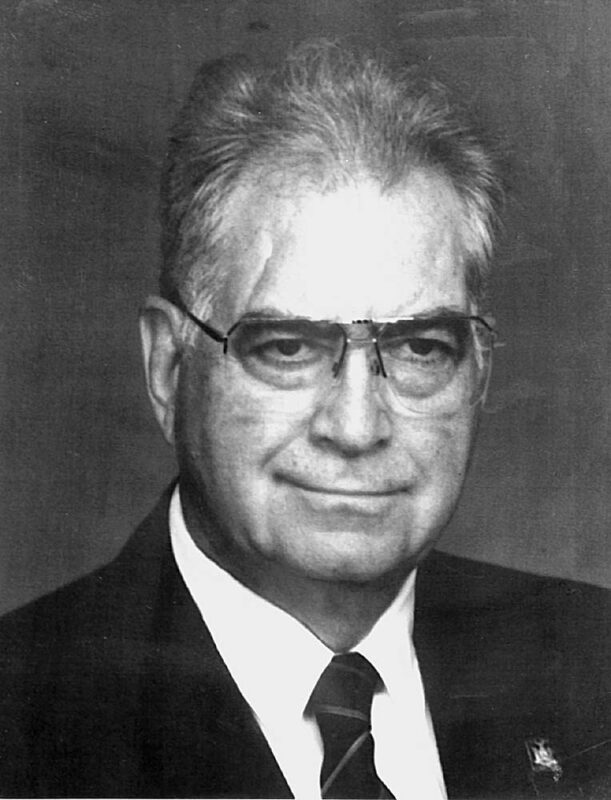
Ellis R. Kerley, PhD – University of Maryland. College Park
Ellis R. Kerley, born 1924 in Covington, Kentucky across the river from Cincinnati. Attended the University of Kentucky, graduating in 1950, (likely studied under Charles E. Snow, PhD). Kerley was an anthropologist at Bowman Gray School of Medicine in Winston Salem, North Carolina. This may have been one of the first appointments of an anthropology…
-
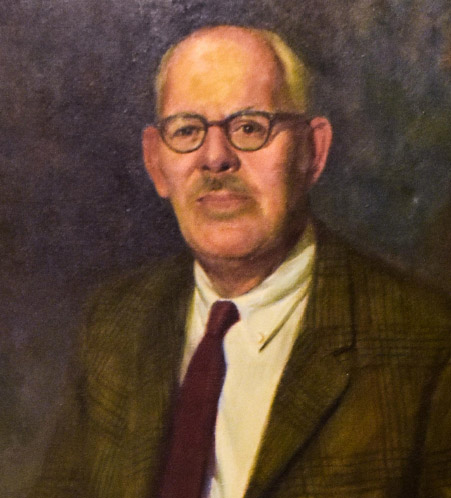
Wilton Krogman PhD, – University of Pennsylvania
A leader in developing modern Physical (Biological) Anthropology and its application to current world/societal problems, Wilton Marion Krogman was born in Illinois in 1903. His academic background and work at the University of Chicago, and then the University of Pennsylvania provided expertise, and significant fame as an expert within anthropological, medical, and medico-legal domains. Krogman…
-
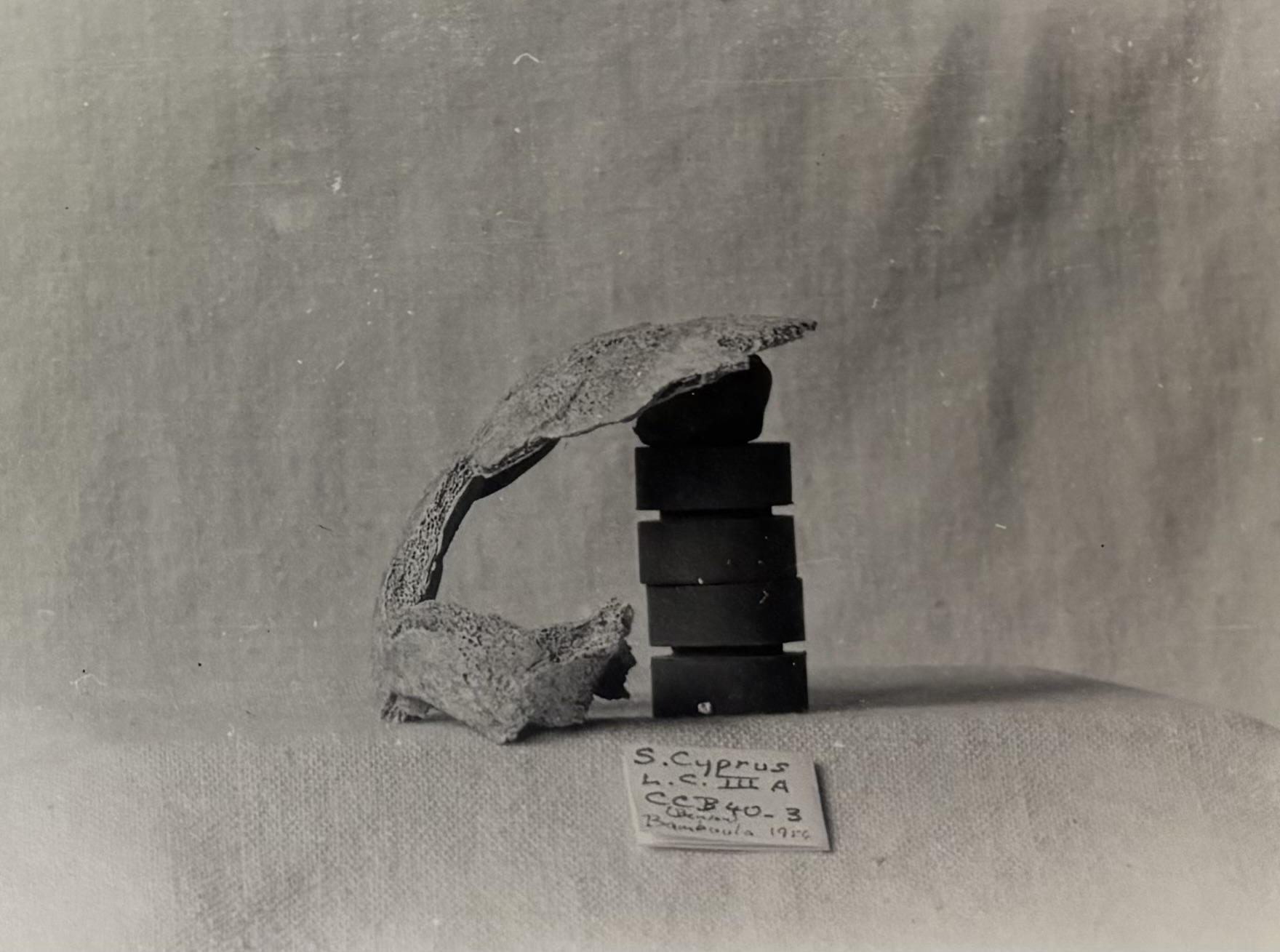
J. Lawrence Angel PhD, – Smithsonian Institution
#9 Diplomate of the American Board of Forensic Anthropology. Served as President of the Board in 1982. Dr. Angel was duly added to the initial roster of the board of directors following the 1978 ABFA meeting in 19-20 February 1978, during the AAFS annual meeting in St. Louis.
-
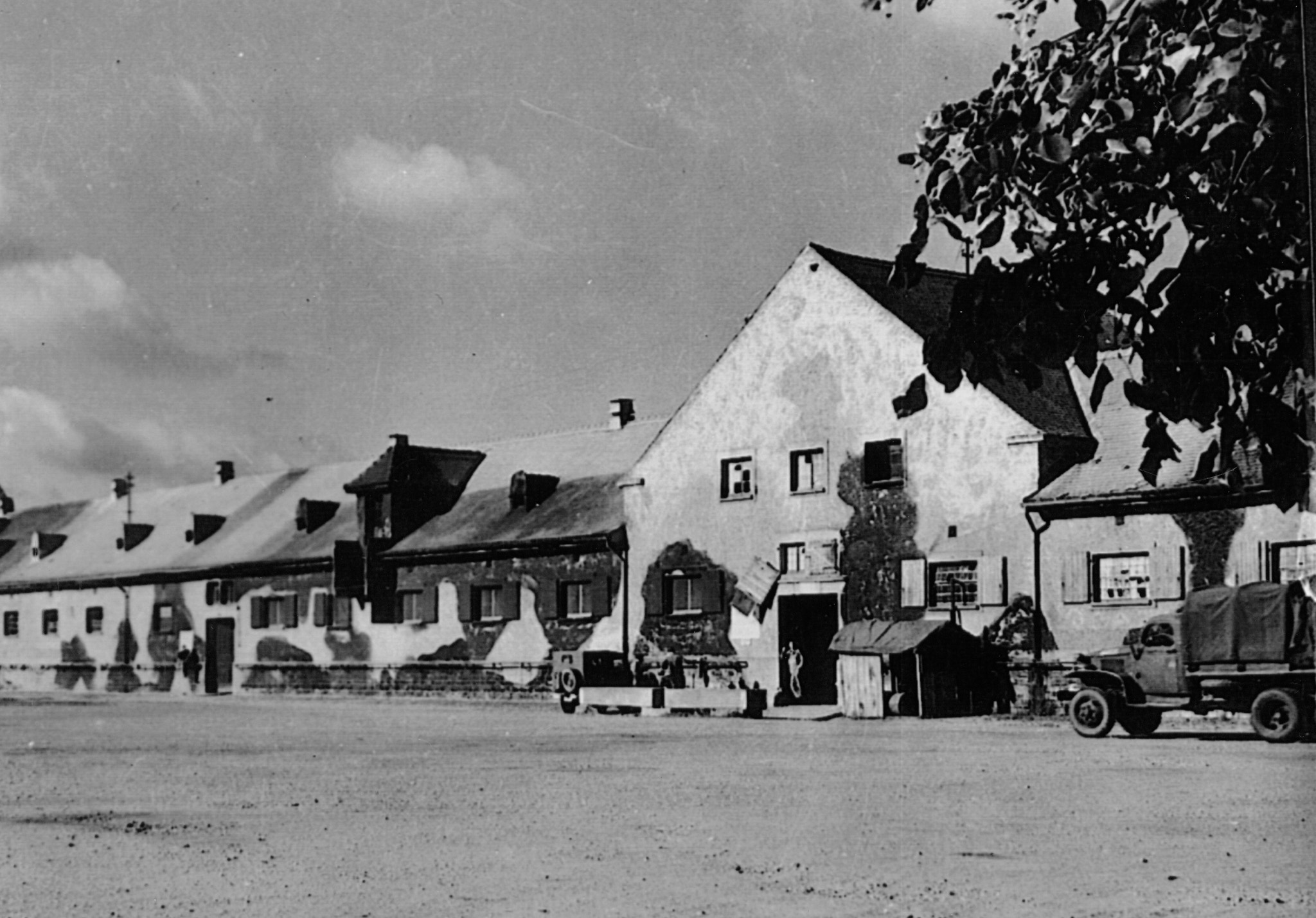
CIP Strasbourg, France
Strasbourg first central ID point The centralization of the scientific aspects of war dead identification is a key historical stream in the history of these efforts (one big happy family) Strasbourg Notes/history As presented in Strasbourg Winter, 2002 In the grim aftermath of World War II, the United States remained committed to documenting, retrieving, and…
-
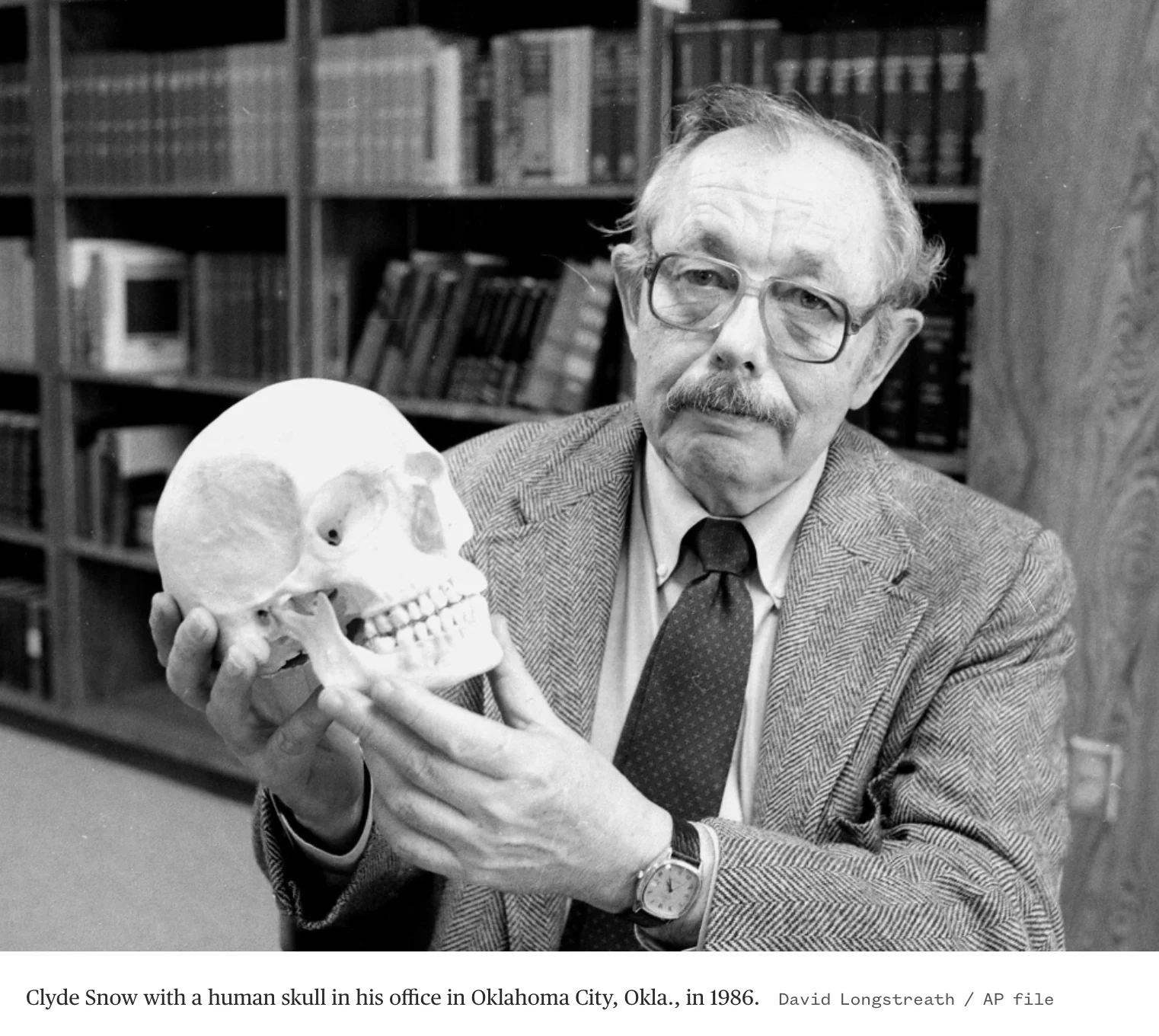
Clyde C. Snow PhD- University of Oklahoma, FAA, International Humanitarian Forensics
DABFA #3 https://www.bernardoruiz.com/dispatches/2023/3/10/a-new-documentary-el-equipo-focuses-on-clyde-snow-and-the-argentine-forensic-anthropology-team
-
Charles P. Warren MS, MA, University of Illinois, Chicago
Charles Preston Warren, born 7 April 1921 in Chicago, Illinois. The son of George and Ethel Warren Charles grew up in Chicago, according to Census records, his father was a mail clerk for the United States Postal Service. George originally from Kentucky, from parents also from Kentucky, Ethel was born in Ohio, with parents from…
-
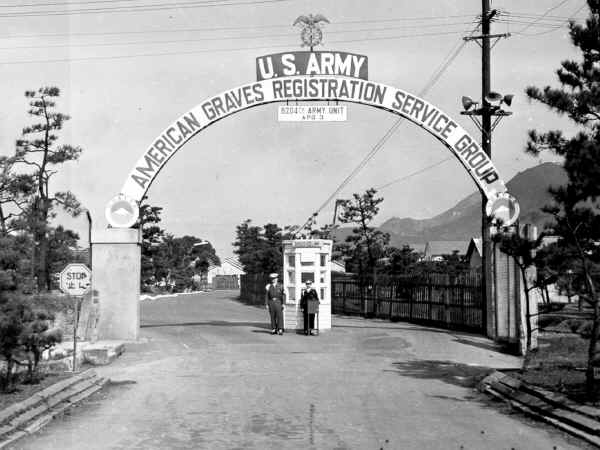
Central Identification Unit – Kokura, Japan ~ Korean War
During the Korean War the decision was made to evacuate all of the dead from the battlefield and return home all of the deceased servicembers to military or private burials in the United States. This was in contrast to the previous practices in World War I and World War II. In these previous conflicts individuals…
-
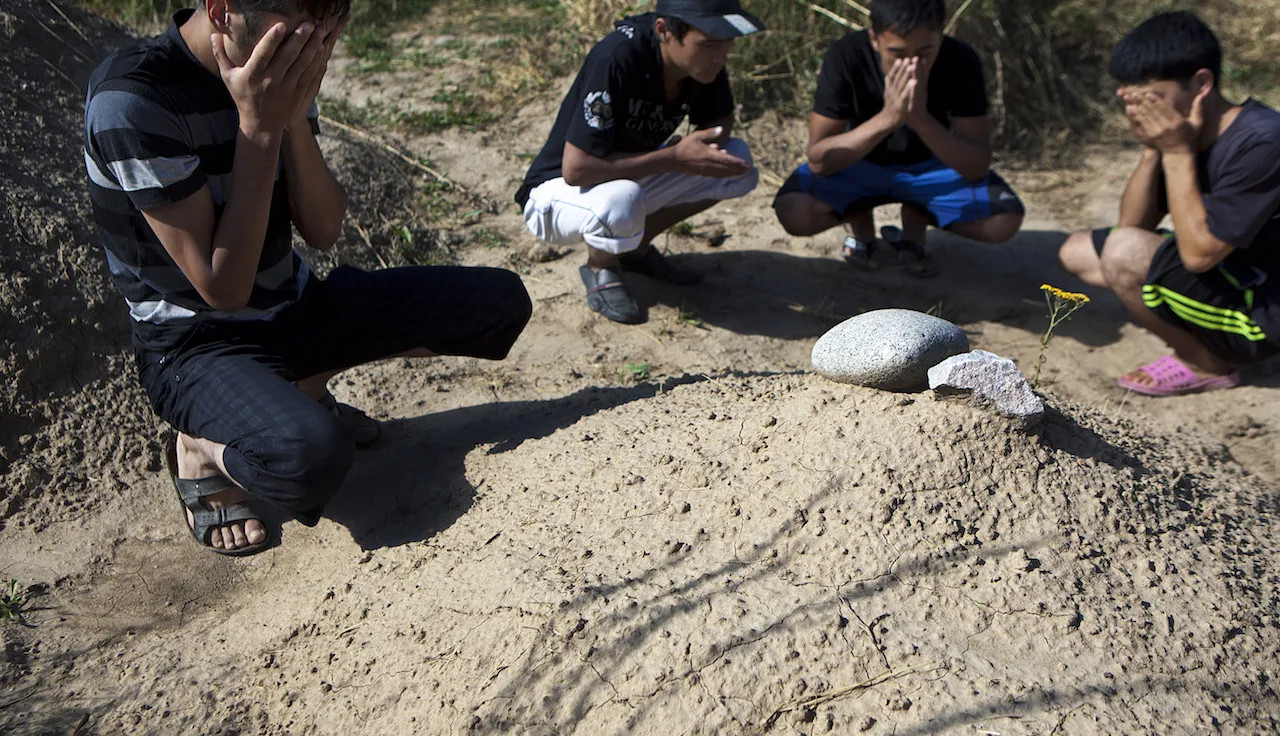
Humanitarian Forensics
Humanitarian forensics is the description of the provision of forensic sciences expertise to support people in times of crisis, loss, deprivation, and uncertainty.
-
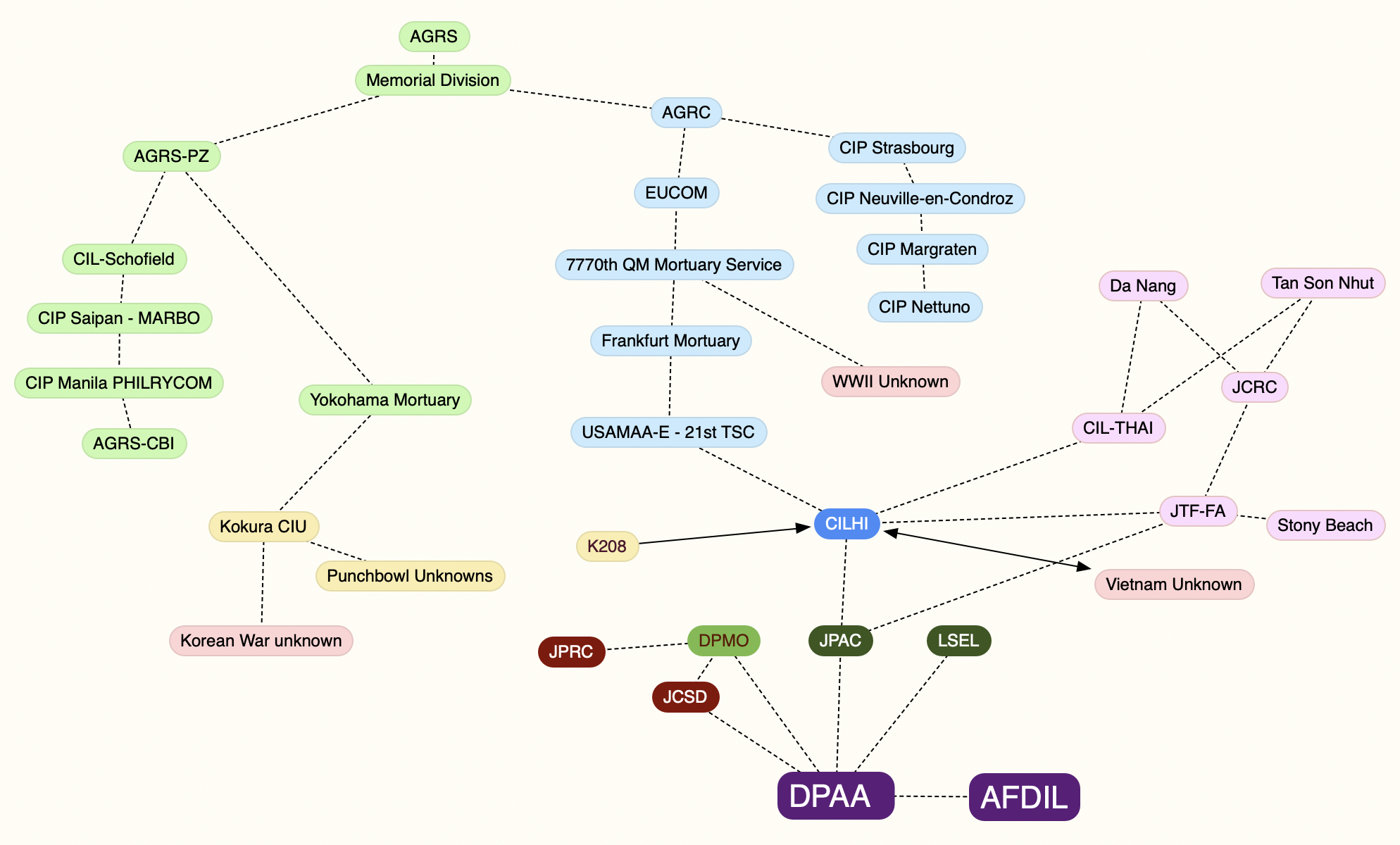
Lineage of United States War Dead Identification WWII, Korean War, Vietnam
Diagram showing the lineage of responsible commands, units, and laboratories for War Dead Identification since WWII
My Corner
A career spent amidst ambiguous loss. Tracing the missing, I have found fragments that are both sharp and beautiful and must be handled with care.
About
Resources
Location
Alexandria, Virginia
United States
Copyright 2026 | All Rights Reserved, contact chris mcdermott for permissions