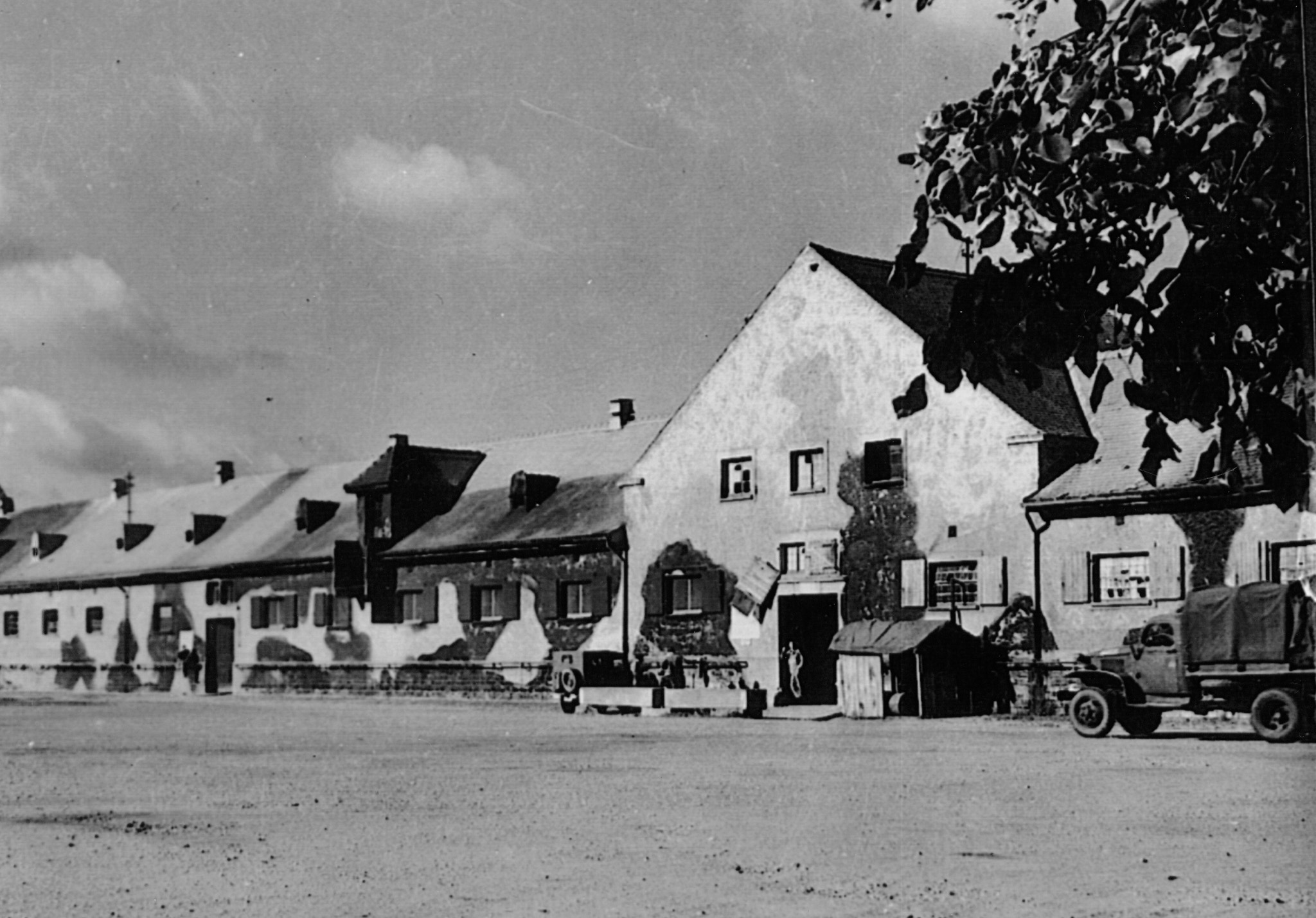
Strasbourg
first central ID point
The centralization of the scientific aspects of war dead identification is a key historical stream in the history of these efforts (one big happy family)
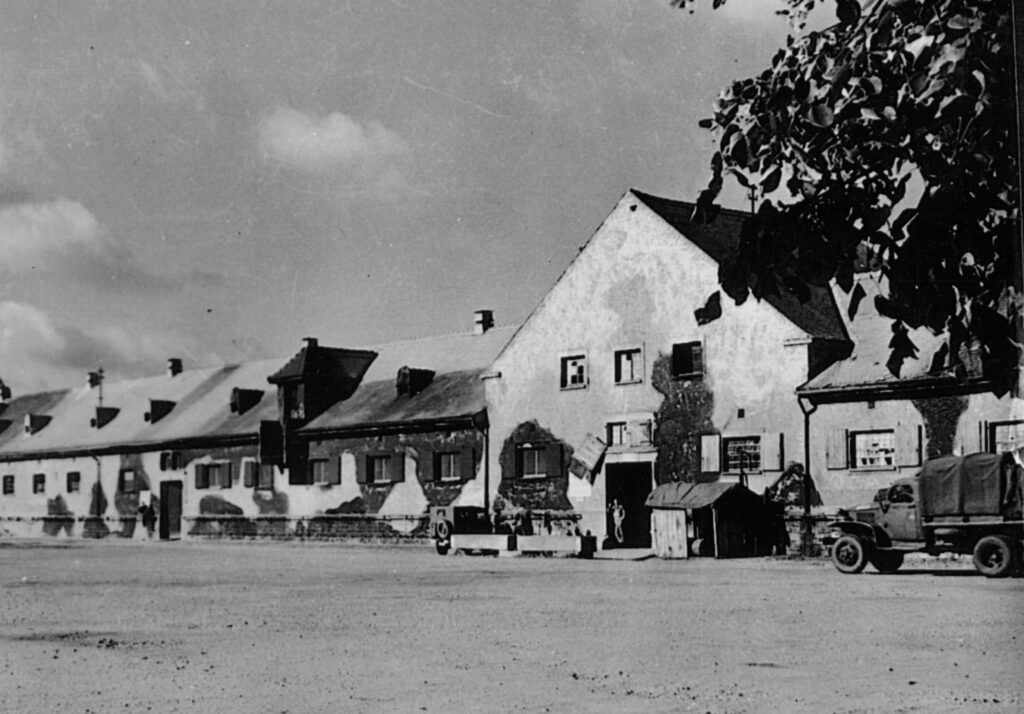
Strasbourg Notes/history
As presented in Strasbourg
Winter, 2002
In the grim aftermath of World War II, the United States remained committed to documenting, retrieving, and identifying our fallen comrades. Despite the considerable obstacles of this highly complex mission, the United States had been developing systematic and effective techniques for identifying war dead since the Spanish-American War 1898. The U.S. Army Quartermaster Corps holds the responsibility for this noble duty, a responsibility to those who served and those who will ever miss them. The role of the Army developing techniques and practices to ensure the ‘fullest possible accounting’ continues to the present day. Today, the cutting edge scientific approach of the U.S. Army Central Identification Laboratory, Hawaii (CILHI) owes much to the efforts of the military specialists and scientists who led the way…through Strasbourg.
Few people know that the U.S. Army established the first Central Identification Point in Strasbourg in July 1946. In 1945, the Army faced the challenge of searching across the vast battlefields of Europe, where rapid advances and high casualties had overtaxed the Army Graves Registration Service capability during the continuing action of the war. With the end of hostilities the several units dedicated to this task continued to search for casualties, document isolated graves, and process skeletal remains. During World War II, the U.S. Army drew heavily on our nations scientific resources to help solve many vexing problems. This pragmatic and rigorous approach applied even to the constant improvement of graves registration and identification efforts.
Dr. Harry L. Shapiro, the renowned chairman of Anthropology at the American Museum of Natural History in New York recommended bringing the several graves registration units together in Strasbourg, to streamline and organize the European identification effort. In the summer of 1946, Dr. Shapiro toured and examined the operations in Europe to assess the methods and consult with the Quartermaster staff. Dr. Shapiro had received the first Ph.D. in Physical Anthropology from Harvard University, class of 1926, and was considered one of the most able physical anthropologists in the world. During the war the U.S. Army had employed physical anthropologists for providing scientific research and support in several areas, including identifying skeletal remains. The work of these pioneering anthropologists and anatomists form the basis for many modern forensic anthropology techniques.
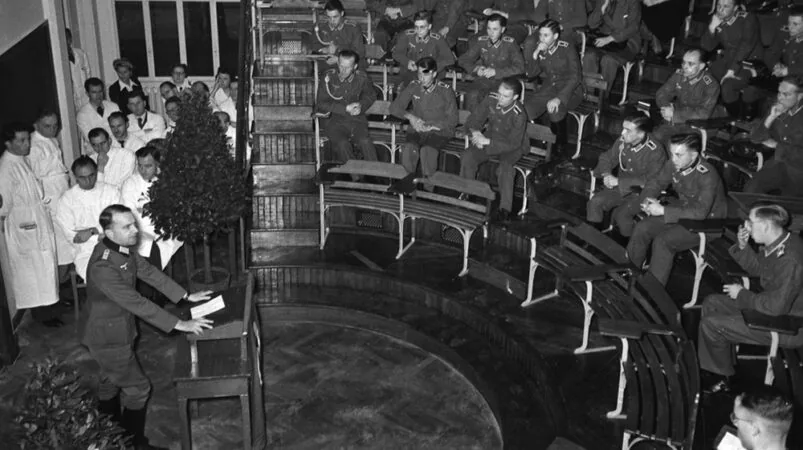
The selection of Strasbourg transformed the story of anthropological knowledge. Between 1942-1944, a dark chapter in history of anthropology was written when Professor August Hirt, of the University of Strasbourg began his grim collecting of skeletal materials of “inferior racial types” to further the Nazi scientific agenda. The establishment of the Central Identification Point reclaimed this ground and dedicated the efforts of identification on a sound scientific and humanitarian basis. Dr. Shapiro’s own research aimed at dispelling the ‘dangerous myth’ of racial superiority and promoting inter-racial understanding. Following Dr. Shapiro’s recommendation, the Central Identification Point relied upon European scientists to assist with the identification process. A model of cooperation with our European counterparts we wish to emulate and continue.
The U.S. Army remains committed to the highest scientific standards. The methods and procedures formulated and implemented in Strasbourg continued to evolve with the 1947 establishment of an interim “Central Identification Laboratory” at Schofield Barracks, Hawaii. In 1947, Francis Randall of the Anthropological Unit, Research and Development Branch of the Office of Quartermaster General invited Dr. Shapiro, Dr. Charles E. Snow, Dr. Wilton Krogman, and Dr. T. Dale Stewart to assist with identifying Pacific theater war dead. These luminaries of American forensic anthropology subsequently joined in the effort by Dr. Mildred Trotter, established methods and exacting standards that have stood the tests of time. Anthropologists still use many of those methods today, as well as the latest scientific techniques at the Central Identification Laboratory that returned to Hawaii in 1976.
The continued success of the CILHI demonstrates strong commitment of the U.S. Army to continually improve the quality and success of the identification process. Once again we have turned attention to using the latest techniques and research to help resolve the lingering questions from World War II. And once again we return to Strasbourg to begin building new relationships, renew collaboration, and invigorate our efforts. The history of the CILHI shows us that our success in Europe begins and began in Strasbourg.
Willkommen, Bienvenue, Welcome
Collections based science – wartime Strasbourg, Germany
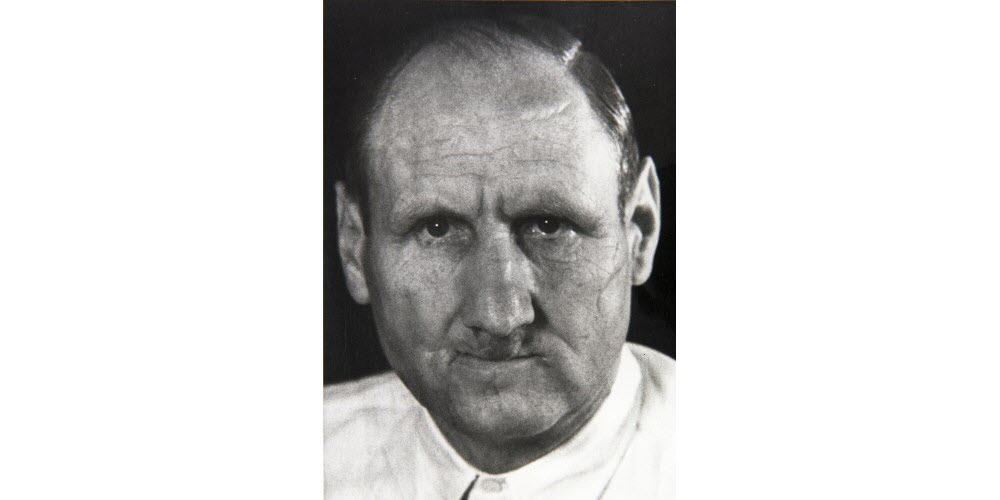
August Hirt – Reich University Strasbourg
Leave a Reply