Essay
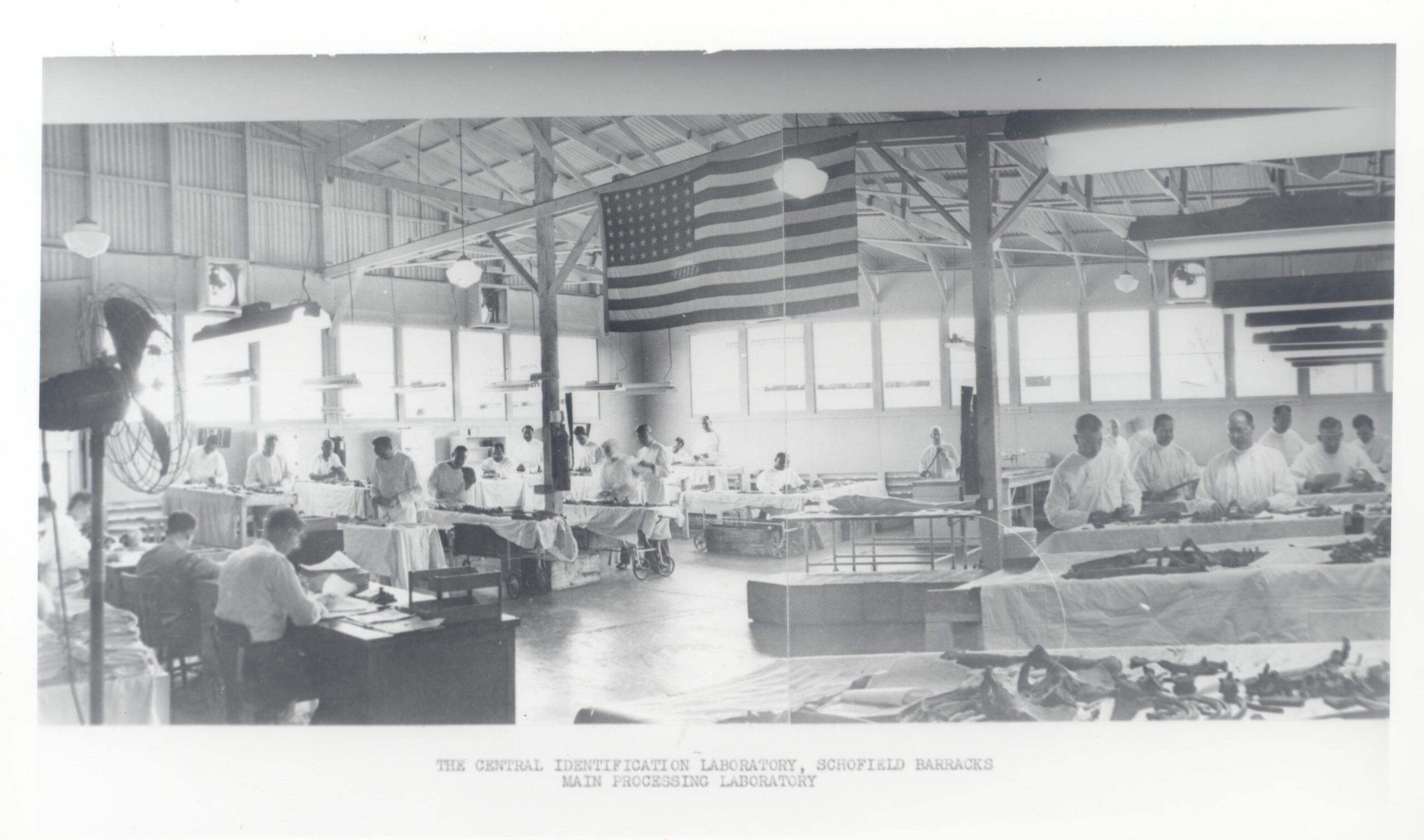
The largest mass casualty event of the American 20th Century was the second world war. With approximately 405,000 casualties worldwide, the U.S. Army, which had the responsibility to recover and identify the war dead, recognized a need for anthropologists. Wilton Krogman’s 1939 article in the FBI Law Enforcement Bulletin and the anthropometric work in the Army Quartermaster Corps Research and Development Division indicated that anthropologists expertise should assist in the identification process. The perceived requirement from 1946 of 28 anthropologists to lead and conduct the mission was matched in 2004 with 31 anthropologists at the Joint POW/MIA Accounting Command-Central Identification Laboratory (JPAC-CIL). The present day Defense POW/MIA Accounting Agency also recovers and identifies service members for the Korea and Vietnam eras, now filling the recognized need from 1946.
- Harry L. Shapiro
- Reviewed facilities and operations in June-July 1946
- Made a series of recommendations addressing centralization of operations, field recovery techniques, identification processes, and records concerns
- Suggested that the director of the identification laboratory should be an established physical anthropologist
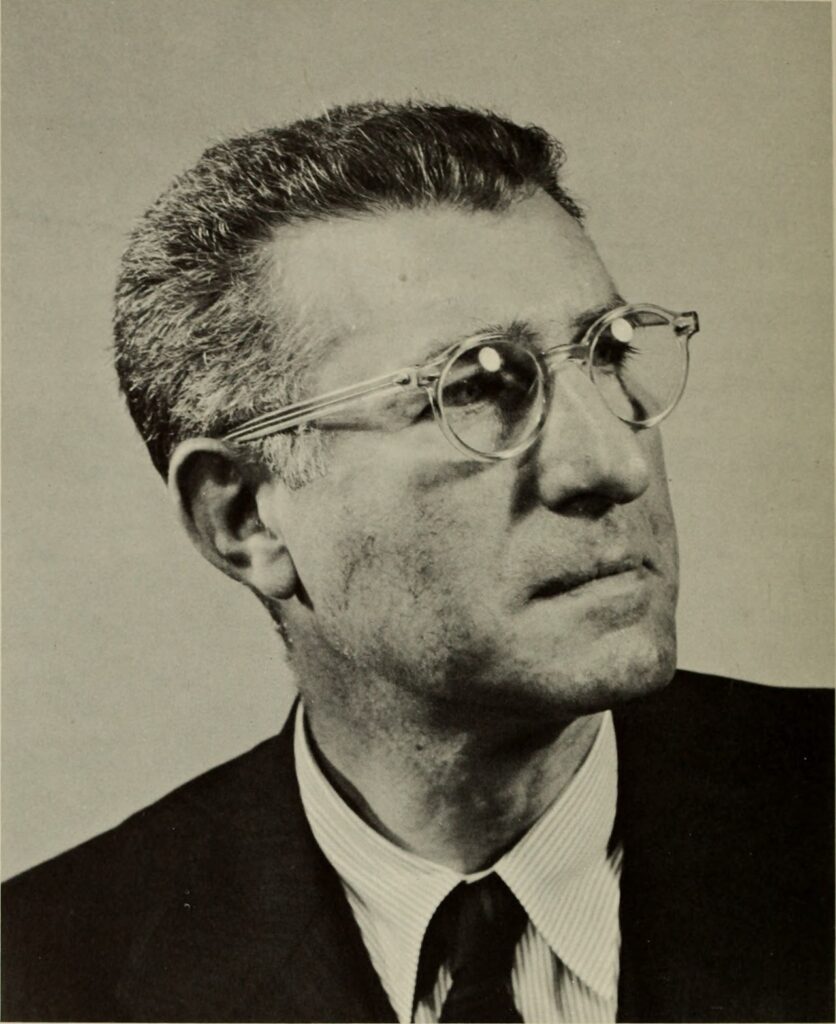
The Quartermaster General asked Dr. Harry L. Shapiro (Curator of Anthropology at the American Museum of Natural History) to evaluate the graves registration process and make recommendations aimed at improving the recovery and identification effort. Dr. Shapiro explicitly addressed the unprecedented nature of the war dead identification task. He stressed the need to eliminate graveside identification processing by untrained personnel. Instead recommending the collection of all the evidence and the centralization of the identification work in a modern laboratory setting employing the most advanced scientific techniques. Shapiro urged that the lab fall under the direction of an established physical anthropologist with a broad scientific background. This recommendation would have to wait until 1986 to be implemented by the Army.
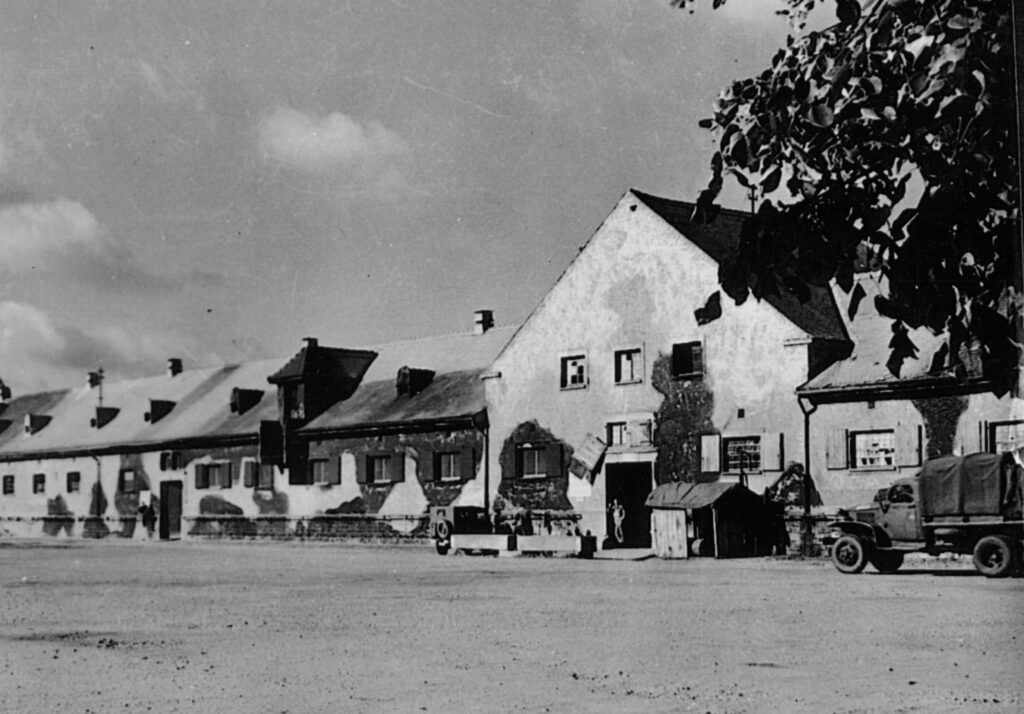
Dr. Shapiro’s tour led to the immediate establishment of the first Central Identification Point (CIP) in Strasbourg, France in August 1946. Organized along the lines of Shapiro’s recommendations the CIP concentrated the scientific analysis of recovered remains and material evidence. The processing involved the flow of evidence through scientific sections, the anthropological assessments performed by Professor Camille Simonin, a French anatomist at the University of Strasbourg. The various sections were set up by a Detective John Aievoli from the New York City, Missing Persons Bureau. The sections employed the scientific methods ten currently used for identification work. The technical reports generated would then be compared with missing personnel records. Dr Shapiro had made several recommendations concerning the standardization of record making and record keeping practices to improve the identification program.
To cope with the massive challenge the Army modified Dr. Shapiro’s proposal and established multiple Central Identification Points, including Mobile Identification Units. The anthropology was performed by European scientists, primarily anatomists schooled in anthropometric methods. Despite, the volume of the casework and the limited input of the scientists the American Graves Registration Command (AGRC) nonetheless achieved very successful results positively identifying about 98% of the total recovered remains, including the 16,000 recovered after the war’s end. The dificulties of retaining enough trained personnel in the postwar period and locating enough scientific expertise was a constant struggle for the U.S. Army.
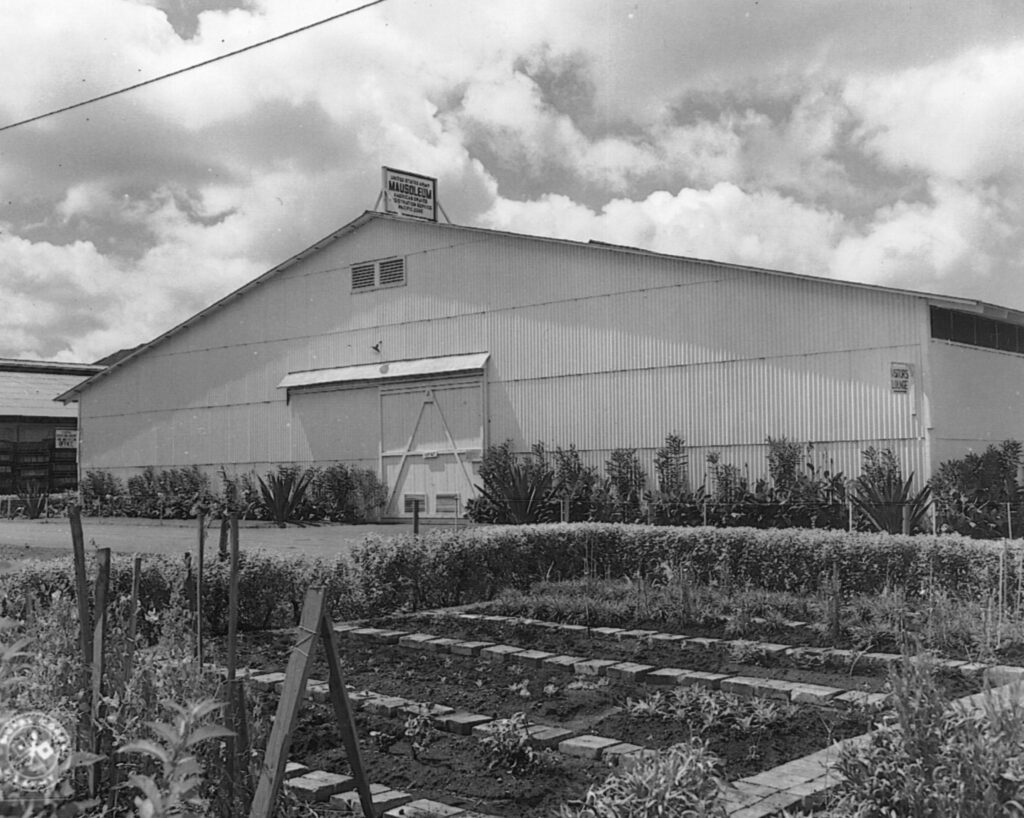
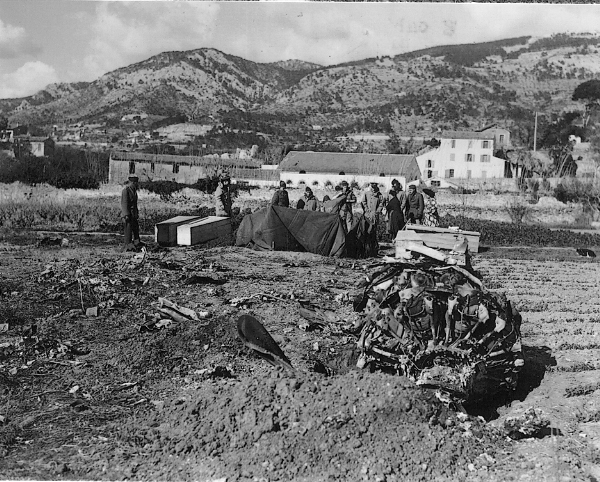
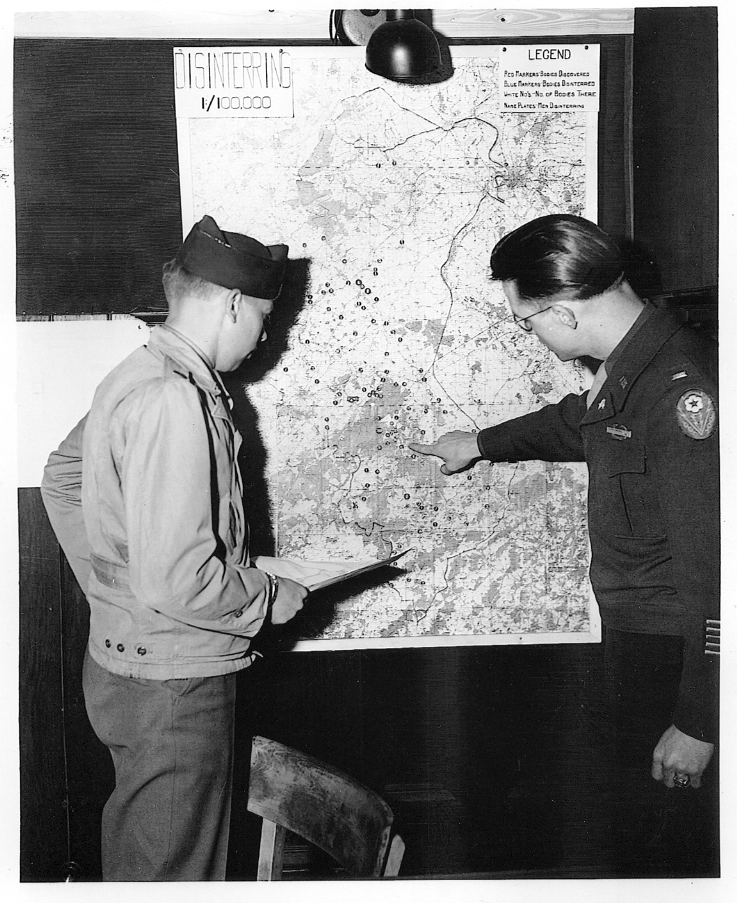
The search and recovery effort involved locating and disinterring isolated burial of American service members.
This included both isolated graves and aircraft crash sites. Although one of the common complaints of the anthropologists was that the recoveries were not conducted scientifically. The sheer volume of the case work and pace of work within the laboratories likely precluded the possibility of sending an anthropologist on each investigation. In 1946 alone, the AGRC conducted 325,860 field investigations recovering the remains of 9,906 American personnel.
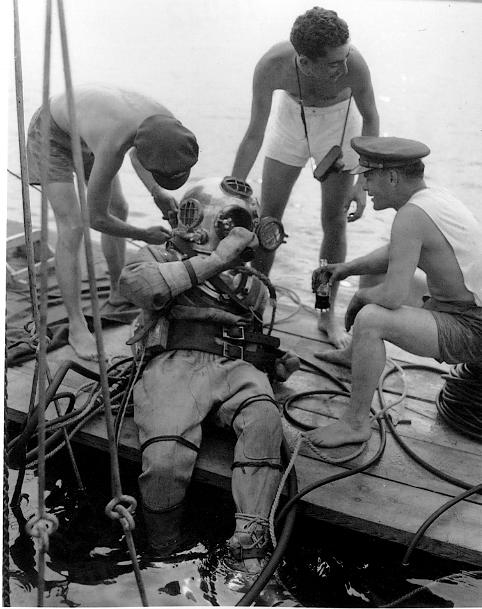
These recoveries included underwater efforts performed by dive teams, and the use of mobile teams collecting remains to return them to the CIPs for scientific analysis.
In the Pacific theater American anthropologist Charles Snow helped set up the Central Identification Laboratory on Oahu on the same model as Strasbourg. When Snow returned to the University of Kentucky following participating in 1100 identifications, Mildred Trotter was installed as the anthropologist with an eye toward collecting valuable research data. In the Philippines, Dr. Robert Fox from the Philippines National Museum and later Charles Warren worked to identify recovered remains. Thomas Mckern, having completed his Masters at the University of Wisconsin, worked at the CIP on Saipan. Despite these efforts a significantly larger number of buried unknowns resulted from the Pacific theater of the war.
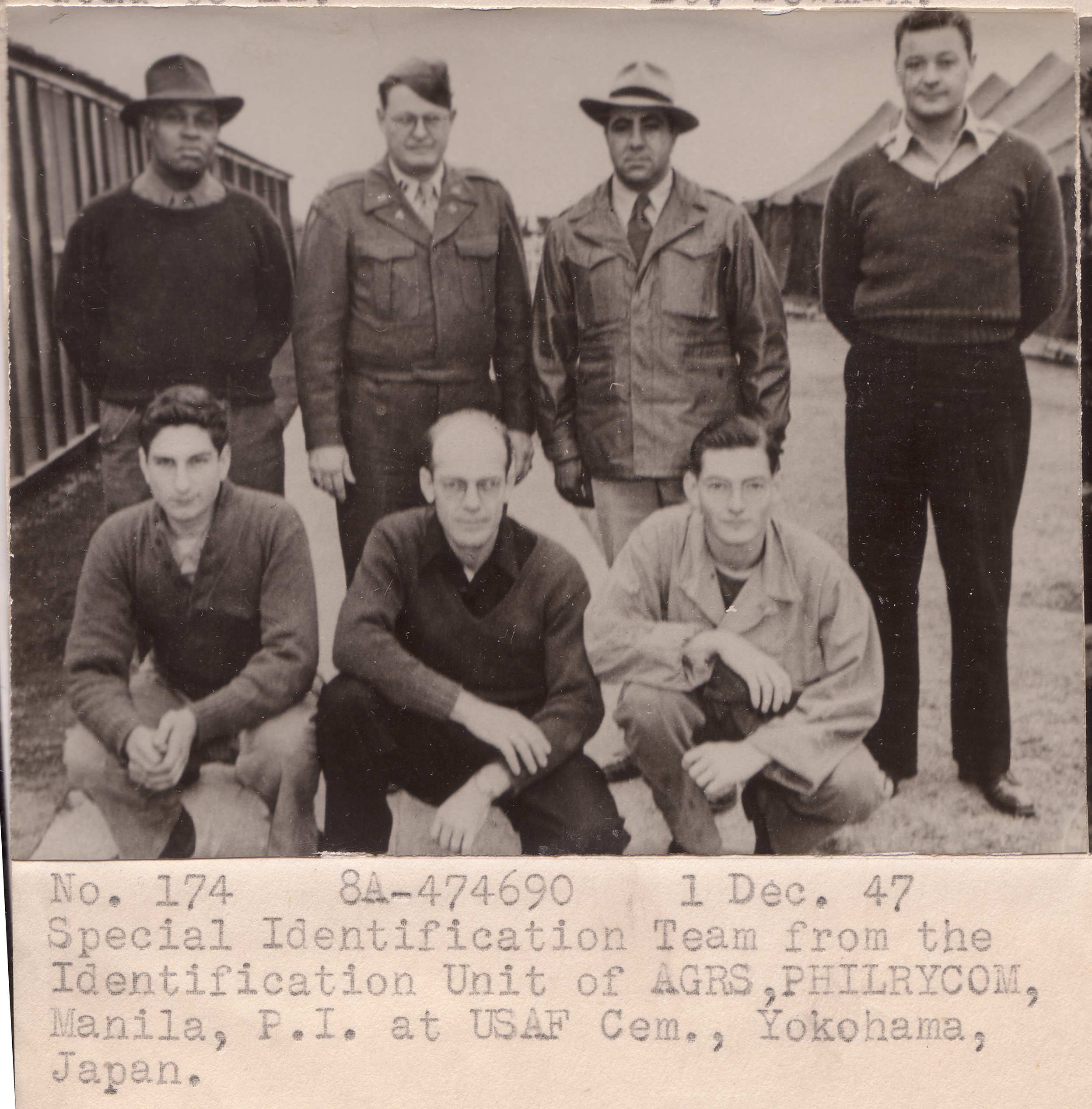
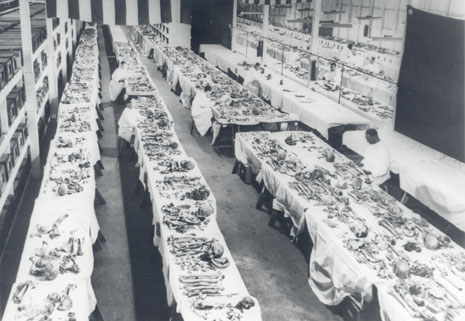
The challenges of the far flung and island hopping campaigns of the Pacific Theater, along with the recoverable mass casualty incidents at Pearl Harbor and the mass burials and cremation of POWs complicated the anthropologists case load.
These problems contributed to policy changes concerning group burials and the development of boundaries for the scientific authority of the anthropologists as advisors on the establishment of positive identifications.
The extraordinary volume of the WWII casework of the anthropologists and anatomists inspired a large number of proposals to the army to conduct research to improve identification processing. These proposals included: basic research to ground the biological profile categories, suggestions to have complete full-body reference x-rays of each service member, even proposals to surgically implant identifying data on vitallium plates. Additionally, the scientists were concerned about being able to share and re-examine individual case reports. However, the only project that the U.S. Army approved and eventually supported was Dr. Trotter’s work on stature estimation. Every scientists on record had remarked on the inadequacy of the Rollet stature tables, based upon 100 19th century French cadavers. Nonetheless, the institutional hurdles to enacting this research project were only overcome by Dr. Trotter’s perseverance and support from Dr. Stewart at the Smithsonian Institution.
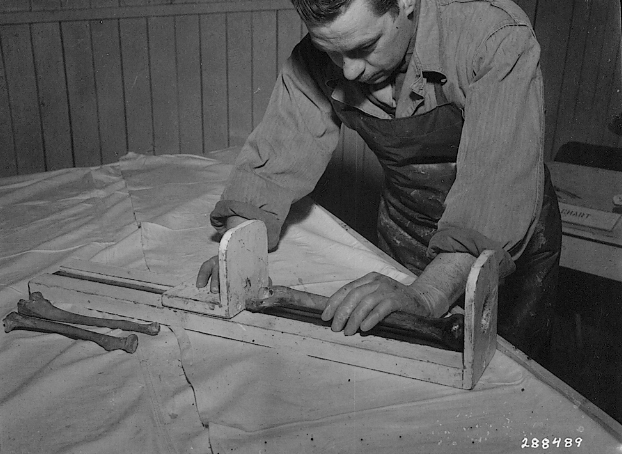
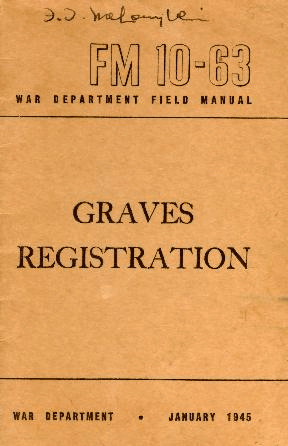
The U.S. Army effectively wrapped up the massive identification effort for WWII in 1951. Just over 3% of the recovered remains were left unidentified, a comparable percentage to the 3.5% from World War I. During the 1950s Dr. Shapiro, in New York, Dr. McCown, in San Francisco, and Dr. Trotter occasionally consulted on residual cases or re-examinations of group burials to try to establish individual identifications. By this stage the U.S. Army had compiled the anthropological methods into a technical manual and began to rely upon “identification specialists” working at the military mortuaries to resolve the cases that continued to come up. Anthropologists had demonstrated the expertise that they could contribute but the Army consistently relegated that scientific expertise to a technical role. Dr. Stewart lamented this problem, writing to Dr. Krogman in 1955, “Anyone can do work in physical anthropology, but without adequate training he soon finds himself over his depth.”
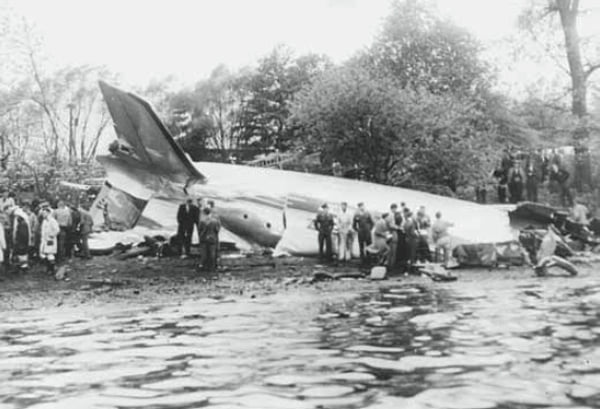
Prior to WWII, The U.S. Army Quartermaster Corps had employed anthropologists to conduct anthropometric studies. In the postwar period Dr. Francis Randall, a student of Hooton, was working to consolidate and expand the applied anthropological contributions to the military. Working with the research committee of the American Association of Physical Anthropologists, Randall collected the evaluations and proposals put forward by the scientists that had worked on the war dead identification effort. Tragically, in the midst of this work Randall died in an aircraft accident on November 1, 1949. A Bolivian P-38 Lightning collided with the Eastern Airlines DC-4 carrying Randall and 54 others attempting to land in Washington, D.C. Following Randall’s death, Hooton wrote to Stewart, “He was as skillful a practitioner of applied anthropology as we could hope to find in this country. He was a thoroughly good scientist and it is going to be very difficult to replace him.”
Randall was replaced by a Navy officer, with no background in anthropology, and the military support for an identification research program waned.
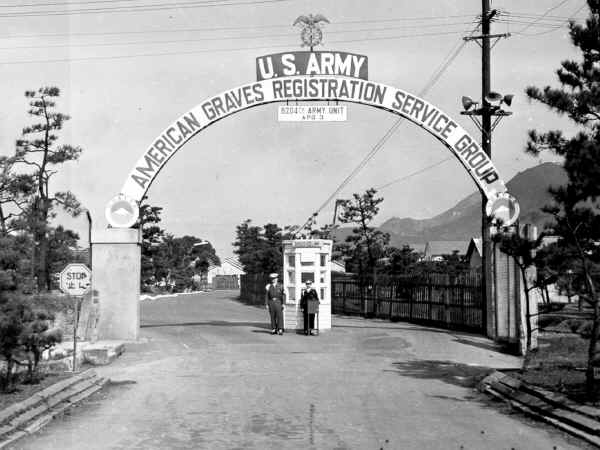
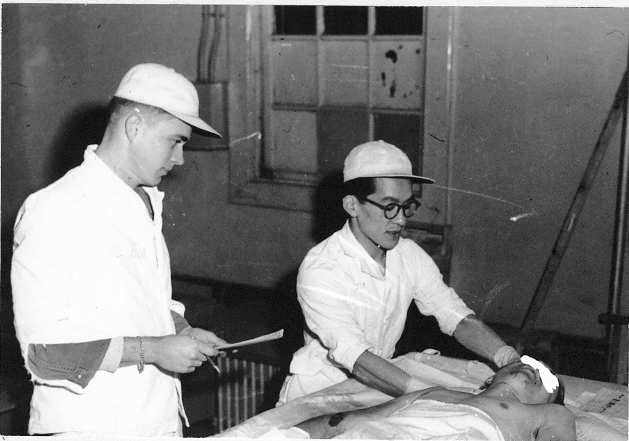
The Korean War created a new need for anthropologists to help identify war dead. This was the first time that the U.S. repatriated was dead during combat operations. Remains were disinterred from temporary cemeteries in Korea and transported to Kokura, Japan. Eventually all U.S. remains were processed through the Central Identification Laboratory established based upon the process of the WWII identification effort. A total of 10 anthropologists, some with experience form the WWII program, worked on the effort.
The anthropologists served in a primarily technical capacity – providing biological profiles and they had a limited impact on broader identification processing. Dr. T. Dale Stewart was able to use his scientific standing to focus upon a large scale research project on age-related change. The more junior anthropologists at the central identification laboratory had difficulty obtaining support for numerous research proposals and their own initiated projects. Only Ellis Kerley was able to establish research that gained him membership in the American Association of Physical Anthropologists. The challenges of current death work, the earlier stages of decomposition encountered, and the volume and pace of the work contributed to a high attrition rate among the anthropologists in Kokura.
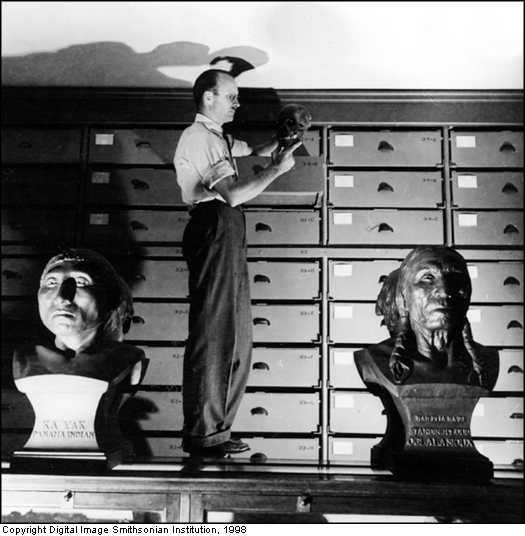
Among the research proposals that the anthropologists community began to seek U.S. Army support for were: examination of frontal sinus patterns, stricter criteria for race assessment by non-metric traits, fluorescence for reducing commingling, etc.
While the U.S. Army did collect these proposals, the war dead identification program ultimately failed to provide institutional support for a forensic anthropology research program. None of the projects proposed at the Central Identification Laboratory in Kokura made it into publication. Only the works by Trotter and Gleser, McKern and Stewart, and Russell Newman’s work on correlating dry bone weight with living body weight were published by the Quartermaster Corps.
The lack of standing of the small science “applied anthropology” affected the development of forensic anthropology by limiting the quality and quantity of research and the collection of useful data sets during the ‘big science’ project of the war dead identification programs for WWII and Korea. The exposure of the small field of nascent forensic anthropology to the large scale war dead identification programs created a network of physical anthropologists acutely aware of the limitations of the availalble anthropological methods. Additionally, this network found the institutional context of the U.S. Army limited the viability of the research and development work that would be needed to foster a mature identification science. Although two very important studies were produced (Trotter & Gleser on stature and Mckern & Stewart on aging,) the network of anthropologists, that were then concerned with identification of human remains, perceived a broad need for research and data collection in nearly all areas now studied by forensic anthropologists. The response of the network of anthropologists was to organize efforts to improve the methods and and collection of data. This effort established the development of professional forensic anthropology outside of the institutional setting of the U.S. Army.
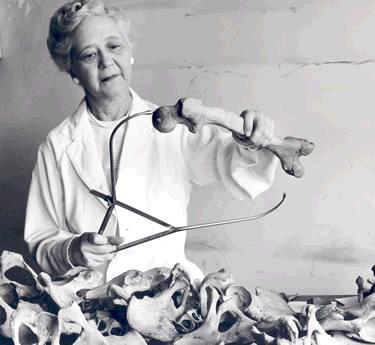

The development of professional American Forensic Anthropology, ultimately took place outside of the institution of the U.S. Army. Although much of the impetus for developing a professional field came from the war dead identification efforts, the practical aspects of the work and the hurdles to basic research and training moved the academic and anthropological communities to work to construct a robust field without direct U.S. Army support. The creation of the Physical Anthropology section within the American Academy of Forensic Sciences in 1973 represents the culmination of professional expertise in methods and basic research that merited a broader forum. At the same time the U.S. Army reliance on merely technical application of anthropological knowledge began to complicate the recovery and identification effort for Vietnam.
Chris McDermott
Historian & Data Professional